
Emergency Slab Leak Plumber in Roswell: Find the Leak, Then Choose the Fix
A hot spot on the floor, a meter that will not stop or the sound of water at night can all point to a slab leak. This page is for Roswell, Georgia homeowners who suspect a leak in a line under concrete and need to know three things: whether it is really a slab leak, how it gets found, and which repair fits.
- Licensed and insured plumbers
- Same-day service when available
- 24/7 emergency dispatch
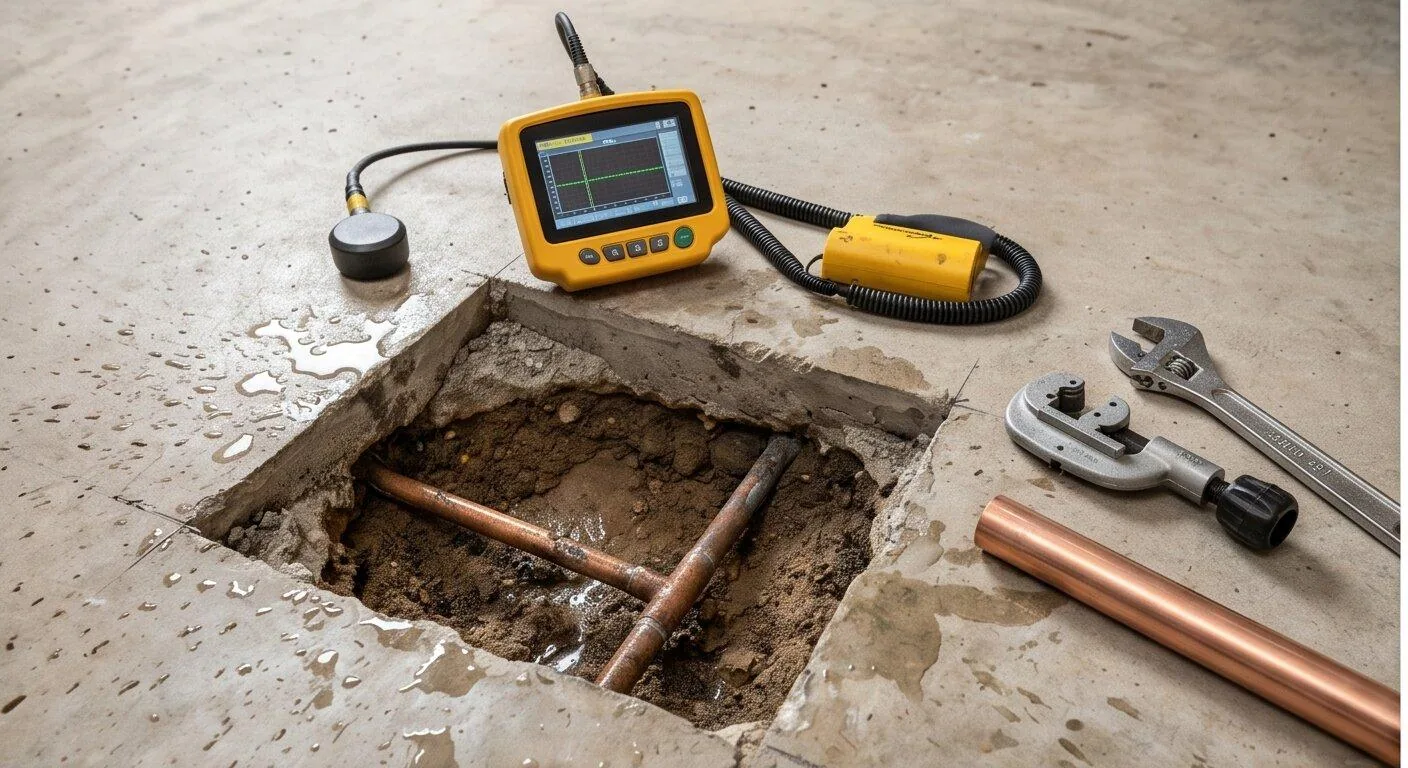
Is it really a slab leak? Spotting a slab leak early
A slab leak is a break in a pressurized water line that runs in or under a concrete floor. Spotting a slab leak early matters because the water has nowhere to go but up through the floor or down into the soil. These are the early warning signs of a slab leak that homeowners report most:
- A warm or hot patch on the floor, often over a hot water line.
- The sound of running water at night with every fixture off.
- A water meter that keeps moving after everything is shut off.
- Damp carpet, lifting flooring or a musty smell at the baseboards.
- Hairline cracks that appear along a wall near the suspected line.
- A hot water bill that climbs while the water heater is working harder than before.
What does a slab leak look like from the inside? Usually like a floor problem first: a stain that returns after cleaning, tile that sounds hollow or a patch of mildew with no obvious source.
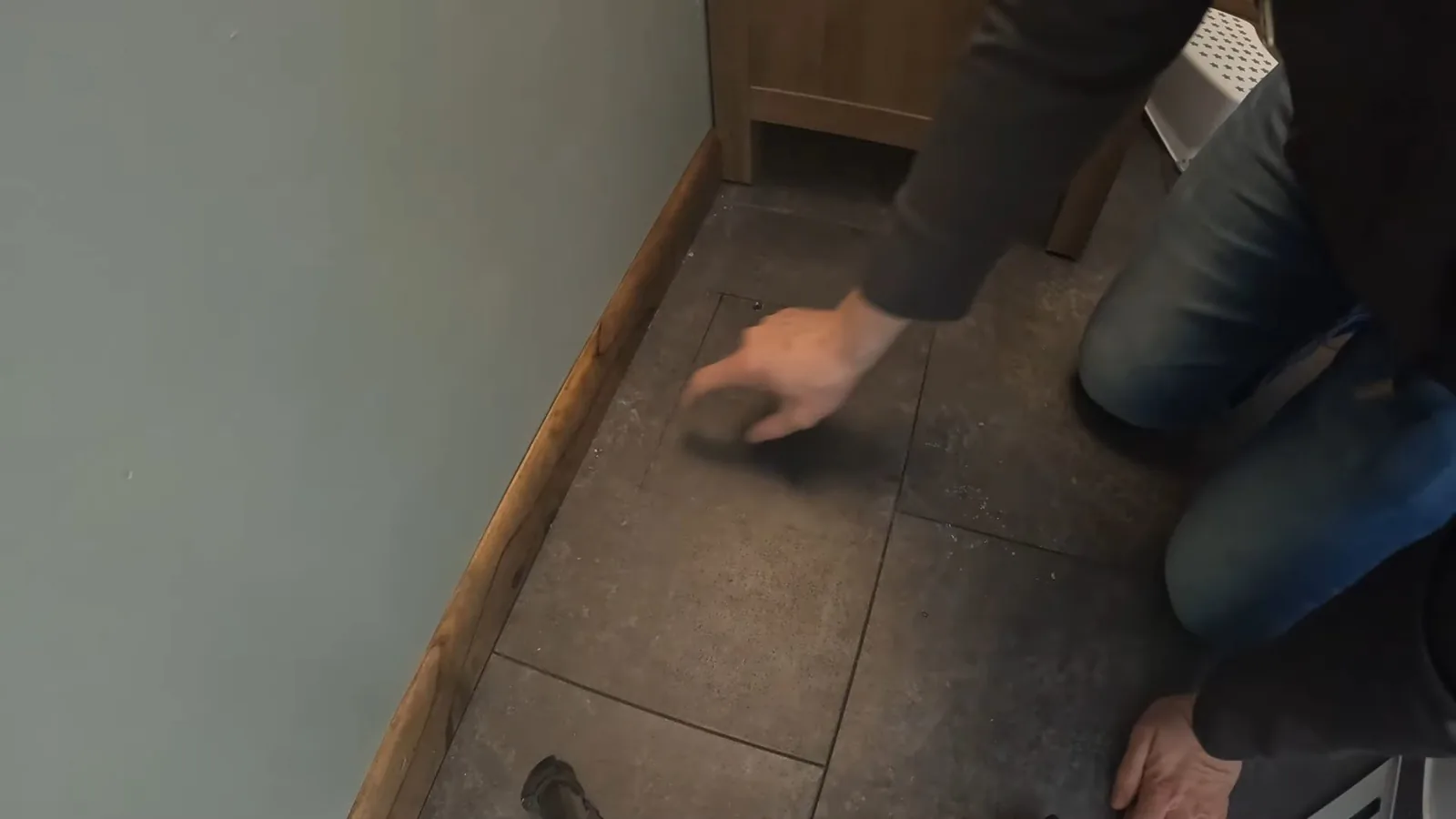
Confirm what kind of foundation you have first
Before anyone talks about slab leak repair, confirm what you have. No source found for this site names a dominant foundation type for Roswell, so assume nothing. Many north metro Atlanta houses have basements, and a house may also sit on a crawl space or a slab. Only a slab puts supply lines under concrete.
Source: atlanta.com housing FAQ.| Foundation | What you can check | Where leaks reach you |
|---|---|---|
| Slab on grade | No crawl hatch or basement door, flooring sits directly on concrete | Through the floor, or as a high water bill with no wet spot |
| Crawl space | An access hatch outside or in a closet floor | As drips and damp soil under the house, visible from the hatch |
| Basement | A stairway down, and joists visible overhead | Through the ceiling below the pipe, or as a damp wall |
If the house is on a slab, this page is the right one. If it is not, a general leak detection visit is the better first step, since the pipes are reachable from below. Foundation leak inspection starts with that simple answer, and it can save a wasted repair quote.
Suspect a leak under the floor?
Describe the warm spot, the sound or the bill. A plumber serving your area can start with isolating the line.
Slab leak detection and location
To find a slab leak without breaking concrete everywhere, a plumber works from the outside in. Slab leak detection and location starts at the meter and narrows the search with each valve closed. A slab leak consultation covers the symptoms, the age of the house and any earlier repairs, then moves to equipment.
- Isolate the hot and cold lines to learn which one is losing water.
- Use listening equipment on the floor to hear the leak and follow it.
- Add thermal imaging when a hot line is involved, since heat shows through the slab.
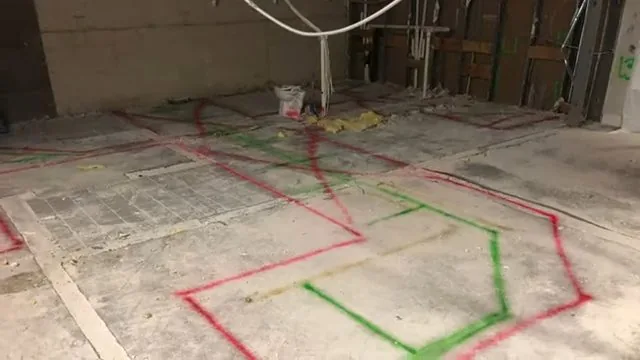
- Mark the spot on the floor and confirm it from a second angle before cutting.
- Record the location so the repair opening matches the leak.
A precise hidden slab leak detection result matters because concrete cutting is the expensive, disruptive part. A good slab leak location and repair plan opens as little as it can.
Slab leak repair: spot repair, reroute or epoxy lining
Once the leak is found, there are three realistic paths, and the right one depends on how many leaks there are and how the line runs.
| Option | Fits when | Trade-off |
|---|---|---|
| Spot repair through the slab | One leak, a short run, clear access to the floor above | Concrete is cut and patched; a second leak later means cutting again |
| Reroute through walls or the attic | The line is failing in several places or sits under hard-to-reach floors | More work above the floor, less cutting of concrete |
| Epoxy lining or trenchless slab leak repair | The pipe is sound enough to coat and access is limited | Not suited to every pipe or fitting, so ask what the plumber sees |
Slab leak reroute and slab leak detection and rerouting are often chosen when pinholes keep returning. Reroute work overlaps with repiping service page, so a repipe quote is worth comparing. Residential slab leak repair done well is a decision about the whole line, not only the wet spot. Benefits of slab leak repair include protecting the floor and the foundation, and ending the constant loss of water.
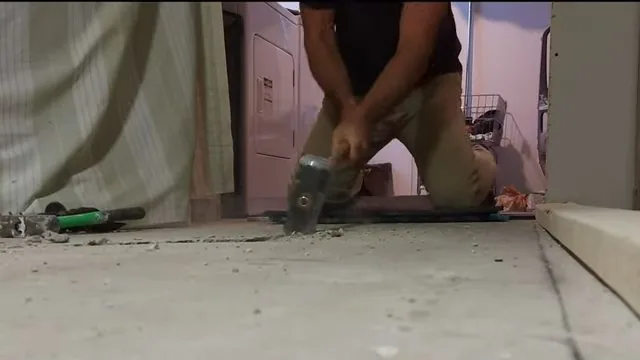
Foundation and concrete: what a slab leak can do to the house
Slab leaks affecting foundations is the worry behind most calls. Water under a slab can wash out or soften the soil that supports it. Slab leaks causing foundation issues are rare when the leak is caught quickly, and more likely when it runs for months. Foundation leaks affecting stability are the outcome to prevent. Foundation leak repair means fixing the plumbing first; structural questions belong to a foundation specialist, and a plumber will tell you when that is the case. Drainage solutions for slab leaks include moving water away from the house once the pipe is repaired.
Basement and foundation plumbing matters here too. A leak that wets a basement wall after a storm may be groundwater, not a pipe. Slab leaks affecting home foundations are the plumbing-caused subset, and the meter test separates the two.
If the slab is already damp and carpet or flooring is wet, water damage restoration guide handles the drying after the pipe is fixed.
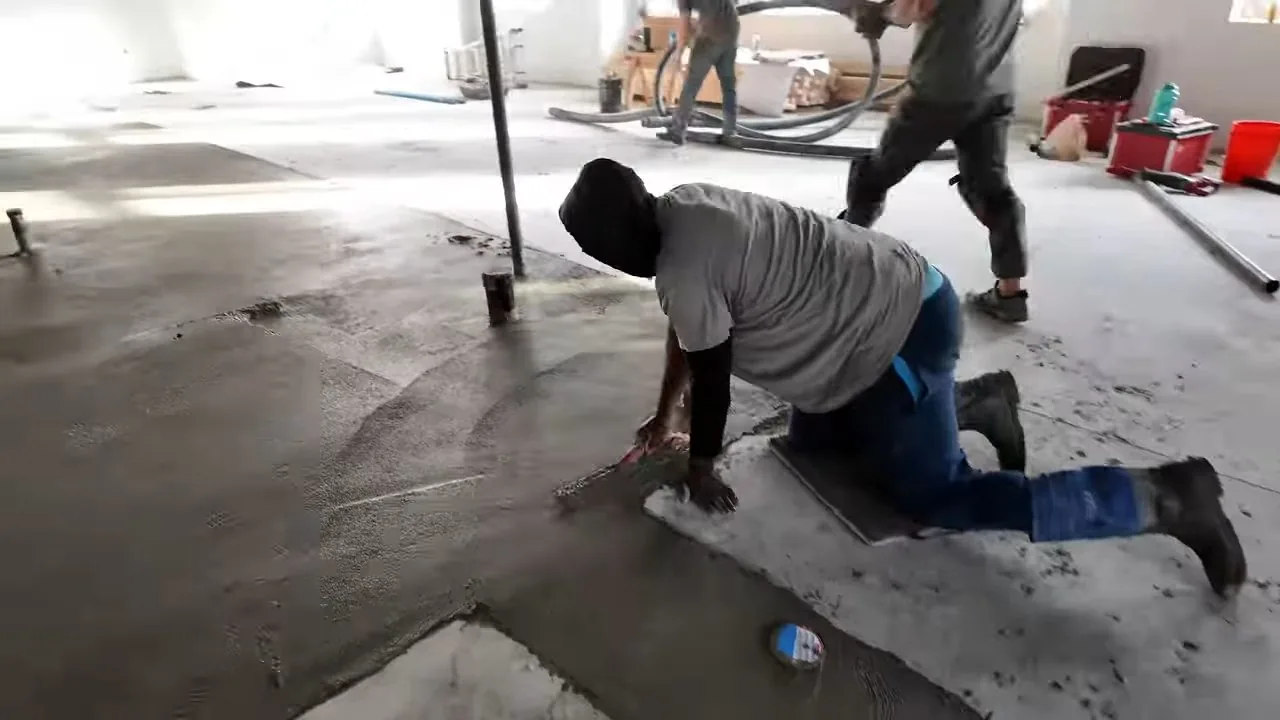
Roswell housing age and slab leaks
Slab leaks midcentury homes are the classic story in other regions, but the typical Roswell house dates to about 1989, so the age profile is different. Slab leaks under newer homes still happen, usually from a fitting, a pressure problem or a pipe damaged during construction.
Era matters for the repair choice
Builders used polybutylene supply pipe between 1978 and 1995, a window that overlaps the typical Roswell build year. When a slab leak turns up in a house from those years, ask what the supply pipe is made of, because a reroute can swap out suspect pipe at the same time.
Sources: city-stats.com; InterNACHI.Slab leaks on posttension slabs, also written post-tension slabs, need extra care. These slabs contain tensioned steel cables, and cutting into one without locating them first is dangerous. Ask whoever quotes the job how cables will be located before any cutting.
Soil caliche and slab leaks is a Southwestern topic: caliche is a hard soil layer found there. This page makes no soil claim for Roswell.
Slab leaks and insurance claims
Insurance and slab leaks are a common question, and the plumber's part is limited. Whether a policy covers a slab leak, or only the damage it caused, depends on the policy wording, so read yours or ask the carrier directly. What a plumber can supply is slab leak insurance claims assistance in the practical sense: leak location documentation, photographs and a written description of what failed. Keep damaged materials until an adjuster has seen them.
Understanding slab leak repair pricing is a separate topic. Cost depends on the repair path above, how deep the line is and what floor covering sits on top. The cost breakdown explains the factors without quoting numbers.
Water coming up through the floor tonight?
The dispatch line is open around the clock for slab leaks and floods.
What to ask a slab leak plumber
Slab leak specialists and slab leak repair pros do not all work the same way. Ask these before agreeing to cut concrete:
- How was the leak located, and can you show me the mark on the floor?
- Is this a spot repair, a reroute or lining, and why that option for this line?
- How will post-tension cables or other hazards be located first?
- What happens to the floor covering, and who restores it?
- Does the plan cover the other lines in the house, or only this leak?
A slab leak plumber who answers these plainly gives you slab leak solutions you can compare. A plumber for a slab leak who skips the questions is a reason to get a second opinion. Slab leak repair reaches Roswell and nearby cities such as Alpharetta service area.
Roswell slab leak questions
Does insurance pay for a slab leak in Roswell?
It depends on the policy, and the line between the pipe and the damage it caused matters. Some policies treat the water damage differently from the cost of reaching and fixing the pipe. Read the wording or ask the carrier before work starts. A plumber can supply the leak location, photographs and a written description of what failed, which helps any claim.
What are the early warning signs of a slab leak?
Two paths help you decide how urgent it is. If you see a warm floor patch, a meter that moves with everything off or a musty smell at the baseboards, treat it as a probable slab leak and call soon. If the only sign is a slightly higher bill with nothing else, check toilets and irrigation first and watch the meter for a day before booking.
How do I know whether I have a slab leak?
You have one when a pressurized water line under a concrete floor is losing water, which a plumber confirms by isolating lines and listening on the floor. A meter that runs with every fixture off, plus a warm spot or running sound, is the usual evidence that sends the call.
What does a slab leak look like?
Confirm first that the house sits on a slab, since basements are common in the north metro Atlanta area. On a slab, the leak usually shows as damp flooring, a warm patch, lifting laminate or a stain that returns. The water itself is rarely visible, which is why equipment is needed to locate it.
Slab leak in Roswell? Call before the damage grows.
Dispatch is open 24/7 and confirms what is available for your address.
- Licensed and insured plumbers
- Same-day service when available
- 24/7 emergency dispatch